
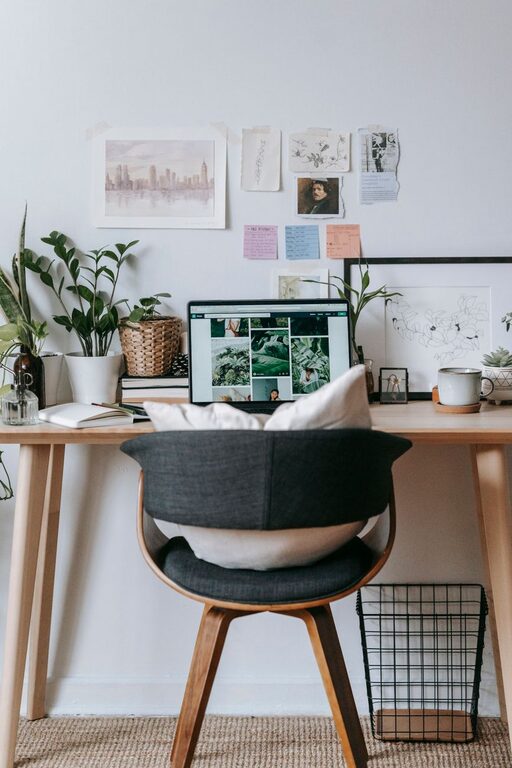
Creating a home office that feels both cozy and functional can transform your work-from-home experience. Whether you have a dedicated room or a small corner, designing a space that supports productivity while inviting relaxation is possible with thoughtful planning. In this post, we’ll share tips to help you build a home office you’ll enjoy spending time in.
Choose the Right Location
Selecting the best spot in your home is the first step toward a productive workspace.
– Natural Light: If possible, position your desk near a window. Natural light improves mood and focus.
– Quiet Area: Pick a space away from heavy foot traffic or noisy appliances to minimize distractions.
– Adequate Space: Ensure enough room for your desk, chair, and storage needs without feeling cramped.
Invest in Comfortable Furniture
Comfort plays a key role in how long and how well you can work.
– Ergonomic Chair: Choose a chair that supports your back and allows adjustments for height and recline.
– Desk Height: Your desk should allow your arms to rest comfortably at a 90-degree angle.
– Multi-use Furniture: Consider desks with built-in shelves or modular units that maximize space.
Focus on Lighting
Proper lighting reduces eye strain and enhances the ambiance.
– Layered Lighting: Use a combination of natural light, overhead fixtures, and task lighting.
– Desk Lamp: A focused lamp with adjustable brightness helps with detailed tasks.
– Warm Bulbs: Opt for warm or neutral light bulbs to maintain a cozy atmosphere.
Organize with Purpose
An organized office helps keep your mind clear and your work streamlined.
– Storage Solutions: Use shelves, filing cabinets, or baskets to keep papers and supplies tidy.
– Cable Management: Invest in clips or sleeves to keep cords out of sight and prevent tangling.
– Declutter Regularly: Set aside time weekly to clear unnecessary items from your workspace.
Add Personal Touches
Make the space welcoming and inspiring by adding elements that reflect your personality.
– Plants: Indoor greenery improves air quality and adds a calming connection to nature.
– Artwork: Hang pictures or prints that motivate you or bring you joy.
– Comfort Items: Include items like a cozy blanket, a soft rug, or decorative pillows.
Incorporate Technology Thoughtfully
Modern tools can enhance efficiency when well integrated.
– Monitor Placement: Position your monitor at eye level to reduce neck strain.
– Keyboard and Mouse: Choose ergonomic options suited to your typing style.
– Noise Control: Use noise-canceling headphones or white noise machines if needed.
Manage Temperature and Air Flow
A comfortable environment keeps you focused.
– Ventilation: Open windows or use fans to promote fresh air.
– Temperature Control: Use heaters or portable AC units to maintain a comfortable temperature year-round.
– Air Purifiers: Consider a small purifier if your workspace is in a less ventilated area.
Define Boundaries
Especially when working from home, setting mental and physical boundaries can improve work-life balance.
– Separate Work Hours: Establish clear start and end times for your workday.
– Workspace Separation: Use a room divider or a corner that can be dedicated solely to work.
– Signage or Signals: If others share your home, use a sign or signal to indicate when you are busy.
Keep It Simple and Adaptable
Your needs might change, so design your office to be flexible.
– Modular Furniture: Choose pieces that can be rearranged easily.
– Minimalist Approach: Avoid overcrowding the space which can lead to distraction.
– Regular Updates: Refresh your layout or décor periodically to maintain enthusiasm.
—
Creating a cozy and functional home office is about balancing comfort with productivity. By paying attention to location, furniture, lighting, and personalization, your workspace can become a place that supports your goals and feels like a personal haven. Start small and adjust your setup as needed until it fits your lifestyle perfectly. Happy decorating!