Working from home has become increasingly popular, and creating a productive home office environment is essential for maintaining focus and efficiency. A well-planned workspace can improve your work habits, reduce distractions, and promote comfort. Here are some useful tips to help you design a home office that supports your best work.
Choose the Right Location
Find a Quiet Space
Select a room or corner in your home where you can work with minimal interruptions. Ideally, this should be a quiet area away from household noise, traffic, or busy foot traffic. If you don’t have a separate room, consider using room dividers or noise-canceling headphones to help block distractions.
Utilize Natural Light
Natural light can improve mood and energy levels, making it easier to stay alert during work. Place your desk near a window if possible, but avoid glare on your computer screen. Supplemental task lighting, such as a desk lamp with adjustable brightness, can also be helpful for late work sessions.
Invest in Ergonomic Furniture
Comfortable Chair
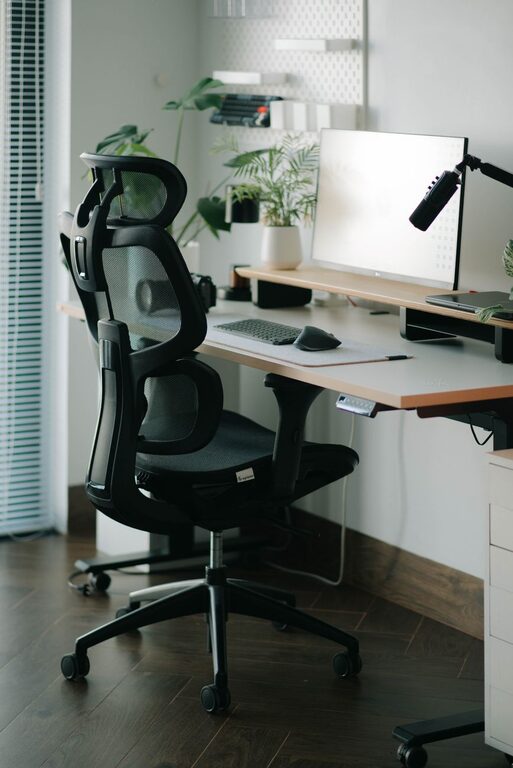
An ergonomic chair that supports your back and encourages good posture is crucial. Sitting too long in an uncomfortable chair can lead to pain and distraction. Look for chairs with adjustable height, lumbar support, and armrests.
Proper Desk Setup
Choose a desk that fits your space but also provides enough surface area for your computer, documents, and other essentials. A desk at the right height will help keep your wrists and arms in a natural position to reduce strain.
Organize Your Workspace
Declutter Regularly
A cluttered space can cause stress and reduce focus. Keep your workspace clean and free of unnecessary items. Use trays, shelves, or drawers to store supplies you don’t need immediately.
Use Storage Solutions
Organize paperwork with file folders or boxes. Label storage containers for quick identification. Digital tools like cloud storage can also help reduce physical clutter by keeping important files accessible online.
Establish a Routine and Boundaries
Set Work Hours
Define your working hours to create a sense of structure and avoid overworking. Having a clear start and end time helps separate work from personal life.
Communicate Boundaries
Let family members or roommates know your work schedule and office space boundaries. This helps minimize interruptions, especially during meetings or focused tasks.
Minimize Distractions
Limit Phone and Social Media Use
Turn off non-essential notifications on your phone and computer during work hours. Consider apps or settings that restrict access to distracting websites.
Background Noise Control
If absolute silence feels uncomfortable, try soft background music or white noise to block out disruptive sounds. However, avoid anything too engaging or loud.
Personalize Your Office
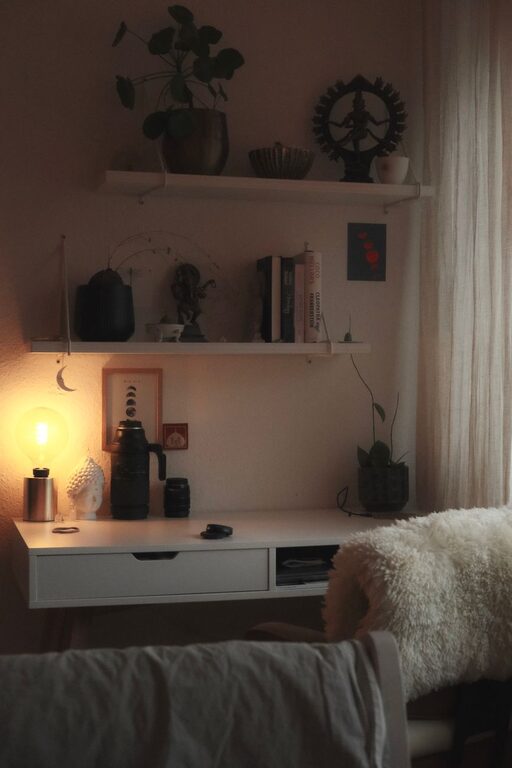
Adding personal touches to your workspace can boost motivation and comfort.
– Plants: Bring in greenery to improve air quality and create a calming atmosphere.
– Decor: Use pictures, artwork, or inspirational quotes.
– Colors: Choose colors that promote focus and positivity, like soft blues or greens.
Take Breaks and Move
Schedule Regular Breaks
Taking short breaks throughout the day improves concentration and reduces fatigue. Techniques like the Pomodoro method (working for 25 minutes, then resting for 5) can be effective.
Move Your Body
Stand up, stretch, or take a quick walk to reduce physical strain and clear your mind.
Use Technology Wisely
High-Speed Internet and Reliable Equipment
Ensure your internet connection is fast and stable to avoid interruptions. Invest in quality headphones, webcams, and other tools if you attend online meetings.
Backup Power Options
Consider having a surge protector or backup battery in case of power outages, especially if your work depends on constant computer access.
—
Creating a productive home office environment does not require a large budget or a dedicated room. Thoughtful choices related to your space, furniture, organization, and routines can lead to more effective workdays. Experiment with different setups and habits until you find what works best for you. Your home office should be a place that inspires focus, comfort, and productivity every day.